Establishing reliable Chinese hamster ovary (CHO) cultures begins with selecting the appropriate CHO media. For process development teams and manufacturers, the right chinese hamster ovary media directly impacts cell density, productivity, and downstream purification, making media choice a strategic decision for reproducible biomanufacturing.
Key Components and Formulation Considerations
CHO media must supply balanced nutrients, energy sources, trace elements, and buffering capacity to support high-density growth. Modern CHO media formulations often omit serum, using defined components to reduce variability and simplify regulatory filings. When optimizing Chinese hamster ovary media, consider amino acid profiles, lipid supplementation, and osmolality adjustments that improve protein folding and secretion. Tailoring CHO media to specific cell lines (CHO-K1, CHO-S, CHO-DG44) and production goals—titer versus product quality—helps teams achieve predictable scale-up performance.
Culture Strategies That Complement Media Choice
Beyond formulation, operational parameters influence outcomes with CHO media. Fed-batch feeding regimens, perfusion strategies, and controlled DO/pH setpoints interact with media composition to determine viability and yield. Implementing small-scale screening of CHO media across candidate clones speeds identification of optimal pairings for productivity and glycosylation profile. Consistent sourcing and lot testing of chinese hamster ovary media reduce the need for requalification during scale-up and support smoother tech transfer.
A partner for scalable, defined CHO media solutions
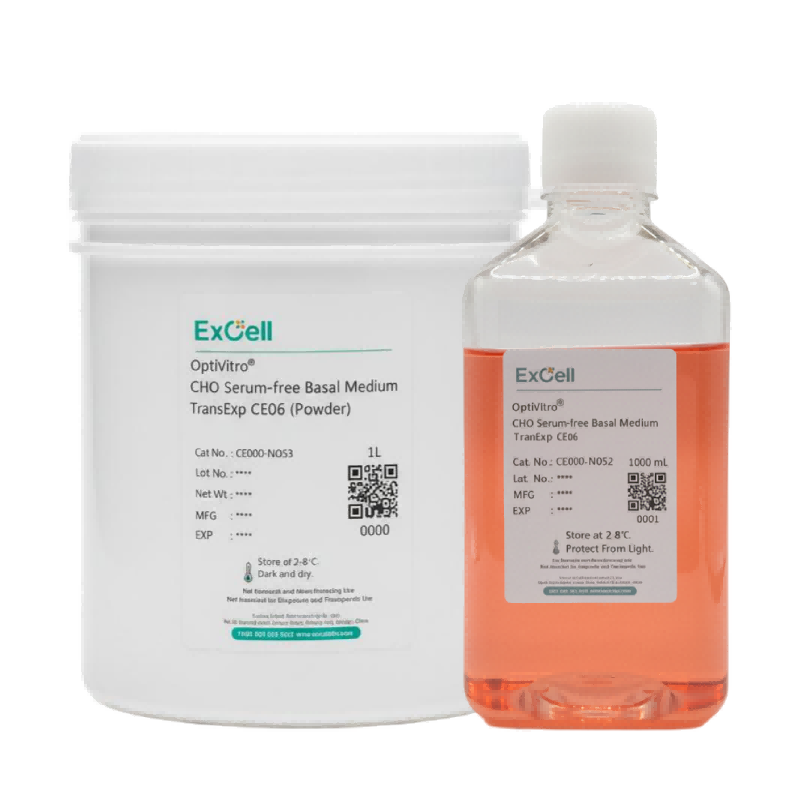
For organizations advancing from discovery to commercial manufacture, partnering with a supplier that offers robust, serum-free CHO media is invaluable. ExCell Bio’s OptiVitro® CHO serum-free basal media series provides animal-free, protein-free, chemically defined options designed for high-density culture of CHO-K1, CHO-DG44, and CHO-S. Their CHO media support scalable processes while minimizing variability and regulatory complexity—helping biopharma teams accelerate development and maintain consistent performance during production.
