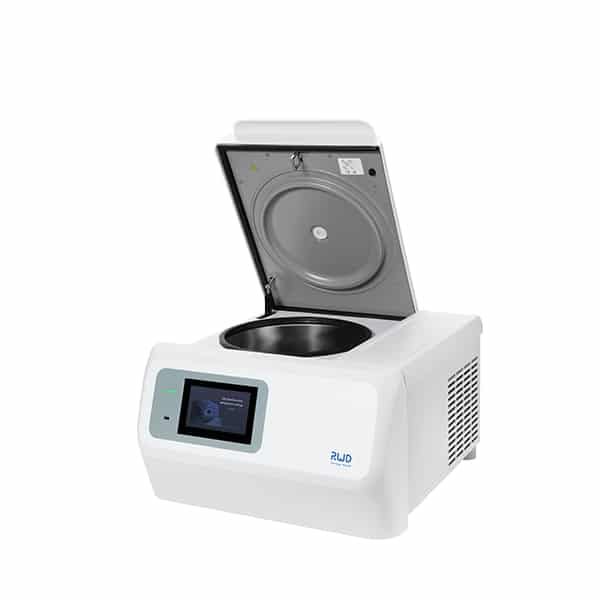
Cell separation plays a crucial role in modern biomedical research, particularly in the study of stem cells derived from various tissues. These specialized kits offer researchers the ability to isolate specific cell types efficiently, which is essential for advancing our understanding of development, disease, and regenerative medicine. This article explores the efficacy of cell separation kits in isolating stem cells from different tissues.
Understanding Cell Separation Techniques
Cell separation kits utilize a variety of methods to isolate specific cell types, including stem cells. These methods can be broadly categorized into density gradient centrifugation, magnetic-activated cell sorting (MACS), and fluorescence-activated cell sorting (FACS). Each technique has its advantages and is suited for different types of tissues and cell types.
For instance, density gradient centrifugation uses the principle of buoyancy to separate cells based on their density. This method is effective for isolating stem cells from sources like bone marrow or peripheral blood, where stem cells can be distinguished from other blood components. Magnetic separation, on the other hand, allows for the targeted isolation of stem cells by attaching magnetic beads to specific markers found on the surface of these cells. This method is versatile and can be applied to various tissues, including adipose tissue, umbilical cord blood, and more.
Fluorescence-activated cell sorting (FACS) provides an additional level of specificity by using fluorescent markers to distinguish and isolate stem cells based on multiple surface markers. This technique is particularly advantageous for heterogeneous samples, where cells can be separated based on specific characteristics, allowing for the isolation of pure stem cell populations from complex tissues.
BPLabLine: Supporting Effective Cell Separation
A reliable provider of cell research equipment is BPLabLine, offering a comprehensive range of cell separation kits optimized for various applications. Their collection includes tools designed to enhance the efficiency and effectiveness of cell separation processes, ensuring that researchers can isolate stem cells effectively from different tissues.
BPLabLine’s commitment to quality and innovation means that their products are engineered for high purity and yield, which is essential in stem cell research. By using these specialized kits, researchers can achieve greater reproducibility in their experiments, allowing for more reliable results in studies focused on stem cells.
Moreover, BPLabLine’s solutions are designed to streamline workflows, simplifying the complexities associated with cell separation. This enhances the overall efficiency of laboratory operations, enabling researchers to accelerate their findings in cell biology and regenerative medicine.
Maximizing the Potential of Cell Separation Kits
In summary, cell separation kits are indeed capable of isolating stem cells from different tissues, thanks to a variety of effective techniques. By employing methods such as density gradient centrifugation, magnetic sorting, and fluorescence activation, researchers can obtain specific cell types for their studies.
With the support of suppliers like BPLabLine, which provide advanced cell research equipment, scientists can further their research endeavors confidently. By utilizing these kits, researchers enhance their ability to study stem cells, paving the way for advancements in regenerative medicine and the understanding of stem cell biology. The efficacy and reliability of these tools play a vital role in the future of cell research.
