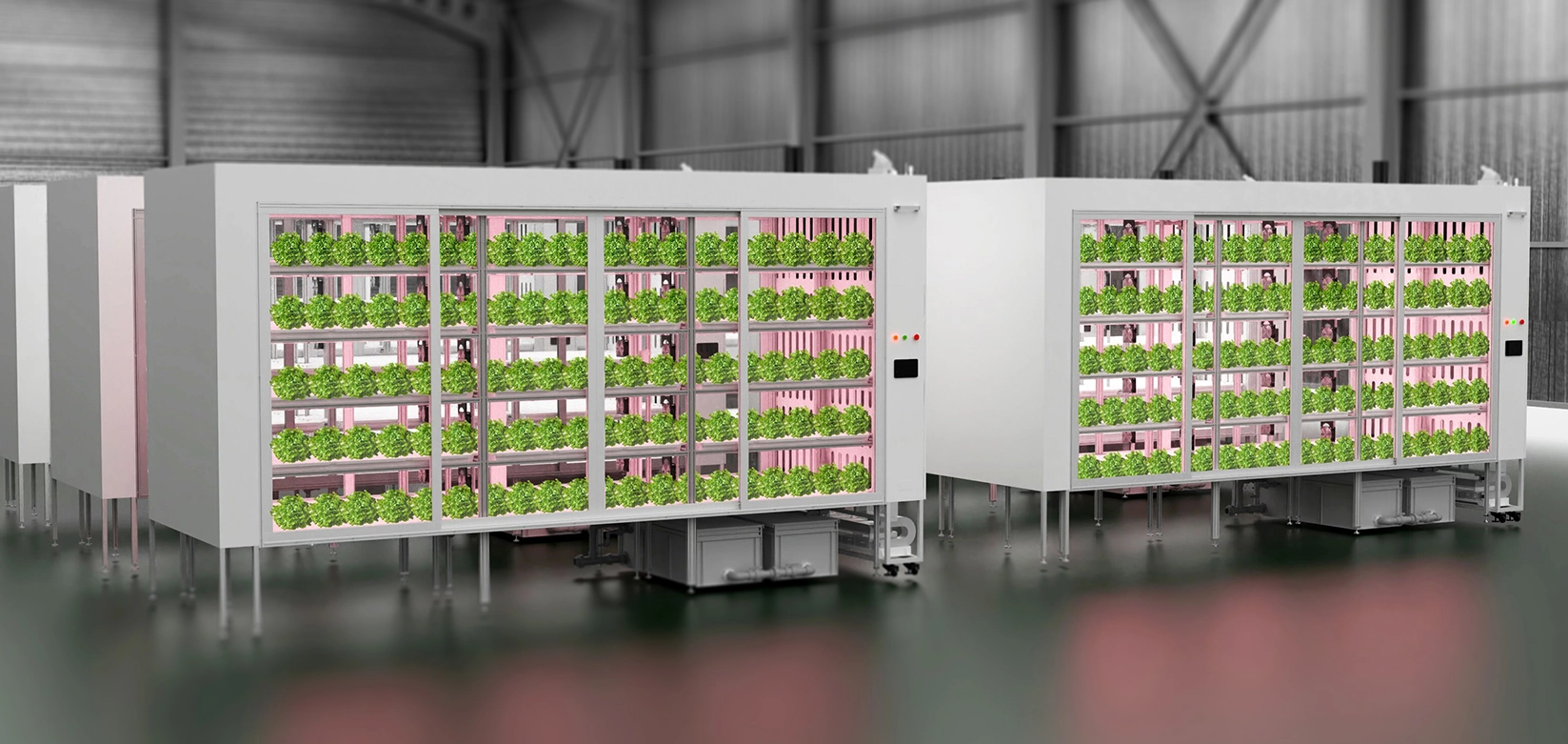
When looking at contemporary farming methods, many wonder if crops grow better in soil or through hydroponics. A vertical farming system often presents a compelling alternative for controlled environment agriculture. This system allows for stacked cultivation, optimizing space and light exposure while maintaining precise nutrient management. Hydroponic cultivation can reduce dependency on soil quality and external environmental factors, providing more predictable growth outcomes. For experienced growers aiming to maximize efficiency, a hydroponic vertical farming system offers advantages in water conservation, nutrient delivery, and operational control.
Efficiency and Precision in Hydroponics
Hydroponic methods allow growers to manage plant nutrition and water usage with high accuracy. By eliminating soil, nutrient delivery can be optimized for each crop type, reducing waste and improving growth rates. Moreover, hydroponics can shorten crop cycles, making it possible to harvest multiple times in a single year. In regions such as Europe, North America, and the Middle East, where climate variability and resource management are critical, integrating hydroponics within a vertical farming system ensures year-round production with consistent quality. Companies like 4D Bios utilize these advanced technologies in their plant factory solutions, combining LED plant lighting, vertical cultivation, AI-driven environmental control, and automated monitoring systems to create highly efficient and sustainable crop production models.
Environmental and Economic Considerations
Choosing between soil and hydroponics also involves assessing local environmental conditions and economic factors. Soil cultivation can be suitable for areas with fertile land and traditional farming infrastructure, such as parts of Australia and Singapore. However, soil farming is more susceptible to pests, diseases, and seasonal fluctuations, which can reduce yields. Hydroponic systems in a vertical farming system address these challenges by offering a controlled environment that minimizes crop loss and allows for precision management. For experienced agricultural enterprises, investing in such systems can improve operational predictability, resource utilization, and overall crop consistency, while supporting sustainable farming practices that align with local regulations and market demands.
Conclusion
Ultimately, the decision between soil and hydroponics depends on specific cultivation goals, environmental factors, and resource availability. Innovative companies like 4D Bios provide comprehensive plant factory solutions that integrate hydroponics, vertical cultivation, and smart automation technologies. By combining modern techniques with traditional practices, their approach helps improve efficiency, sustainability, and reliability in agriculture. By adopting a hydroponic vertical farming system, growers in Europe, North America, the Middle East, Australia, and Singapore can better navigate the challenges of modern agriculture and achieve consistent, high-quality results.
