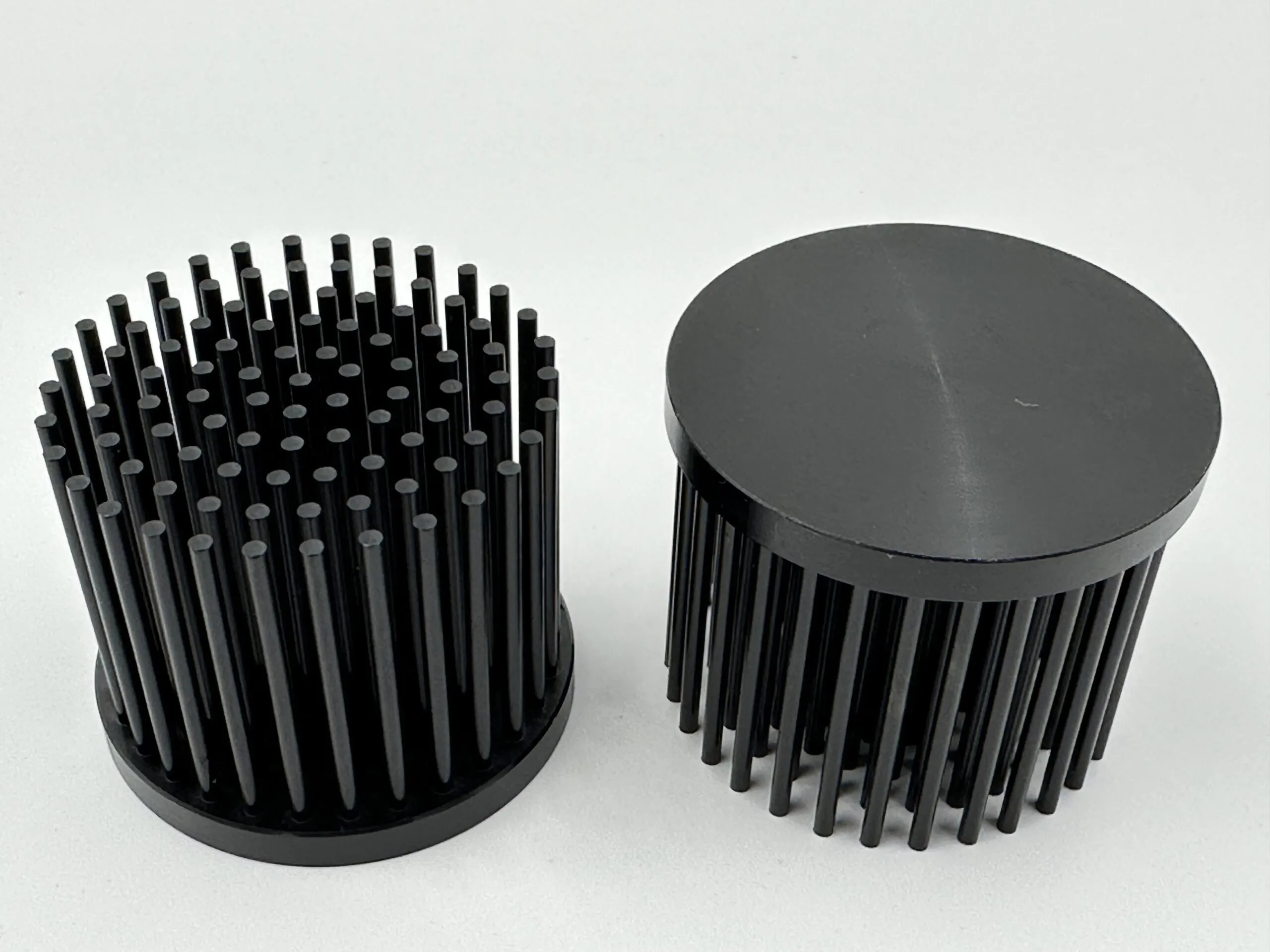
Efficient thermal control plays a critical role in electronics and industrial systems, and understanding what is the function of heat sink helps engineers make better component decisions. As devices become smaller and more powerful, the demand for stable heat dissipation increases. Many companies rely on a trusted heatsink supplier to support product safety and performance, and Dingmetal is one such provider that develops solutions aligned with these needs. Their experience as a heatsink manufacturer allows them to support different industries where effective temperature control is essential.
Why Heat Sinks Are Necessary in Electronic Systems
The primary function of a heat sink is to transfer heat away from electronic components or mechanical modules that generate excessive temperature during operation. Semiconductors, processors, power modules, and LED drivers all require stable thermal environments to ensure reliable performance. When evaluating what is the function of heat sink, the core idea is to increase the surface area available for thermal exchange, allowing heat to move from the component into the surrounding air efficiently.
To achieve this effect, design factors such as fin geometry, base thickness, spacing, and airflow direction must be considered. Companies often consult a well-established heatsink supplier for insights into these engineering choices. They also rely on a qualified heatsink manufacturer when custom shaping is needed for compact layouts, harsh environments, or high-power workloads. In these cases, thermal reliability is not optional—it directly influences the life span and performance of the equipment.
How Manufacturers Provide Effective Heat Sink Solutions
When engineers want to know what is the function of heat sink in practical applications, they often explore how the component is produced and optimized. Fabrication methods such as extrusion, CNC machining, bonding, or die-casting affect both performance and cost. This is where companies like Dingmetal offer valuable support. As a heatsink supplier serving multiple industries, they help transform design concepts into manufacturable components without compromising precision or stability.
Their background as a professional heatsink manufacturer also allows them to deliver solutions that adapt to different system layouts. They provide Professional Heat Sink Solutions featuring customization based on the customer’s drawings or engineering requirements. With more than 10 years of manufacturing experience, they can achieve tolerances as low as 0.02 mm and deliver products in as little as 7 days. Their engineering team guides clients from concept evaluation to final production, supporting applications in electronics, telecom equipment, EV systems, LED lighting, and industrial machinery.
Conclusion:Understanding Heat Sink Functions for Better Engineering Decisions
Recognizing what is the function of heat sink helps teams select proper thermal components for their products. A well-designed heat sink protects sensitive elements, stabilizes operation, and improves overall system performance. When companies look for reliable guidance, a capable heatsink supplier can offer practical experience and technical understanding. Working with a knowledgeable heatsink manufacturer such as Dingmetal provides access to custom solutions, consistent manufacturing quality, and dependable service. Their approach to professional heat sink solutions reflects how tailored thermal design contributes to safer and more efficient products across various industries.
