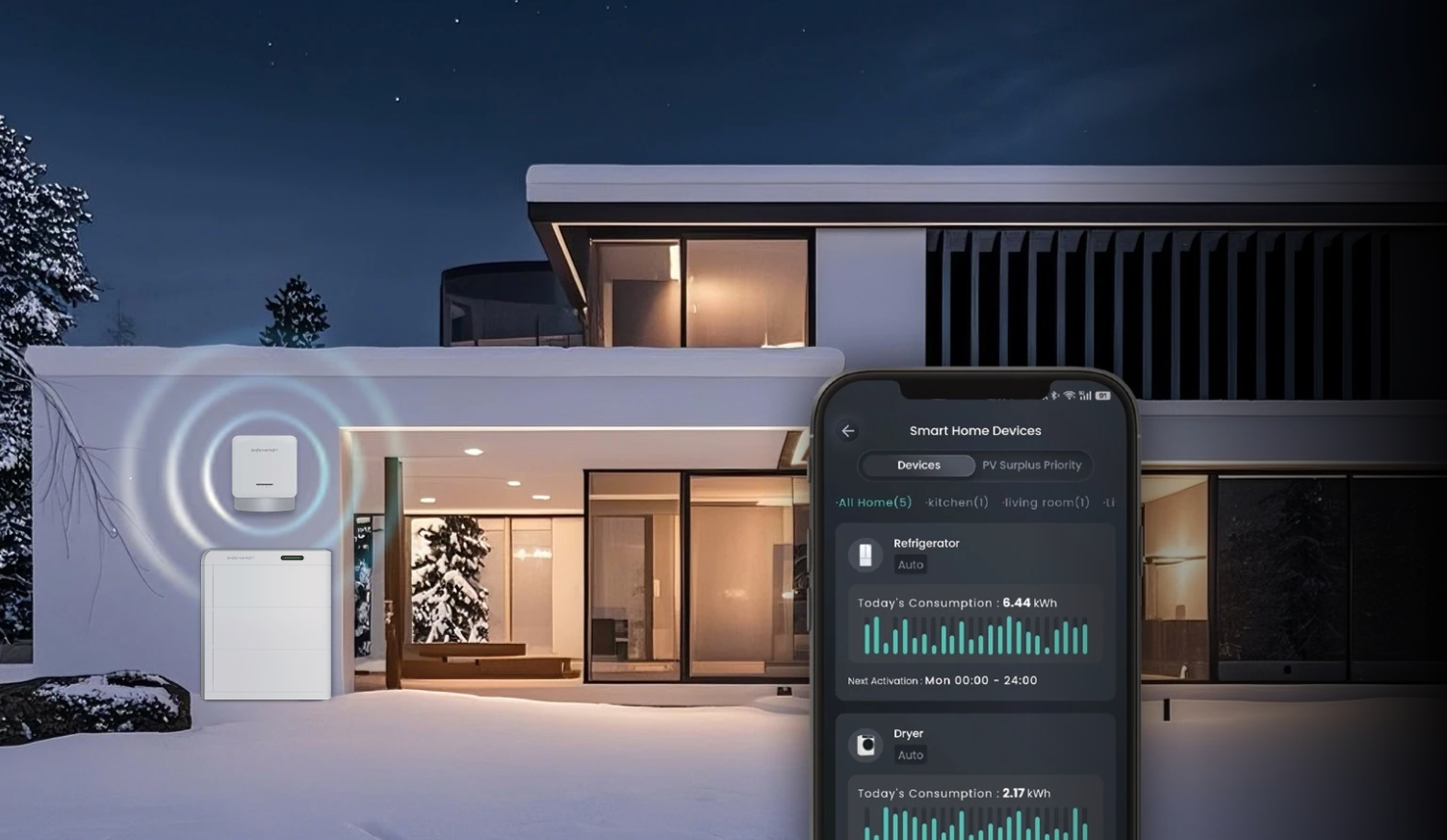
Selecting the right inverter technology represents a critical decision for residential solar installations. Understanding the differences between hybrid inverters and string inverters helps homeowners choose systems that align with their energy goals and future requirements. These two inverter types serve distinctly different purposes, each offering unique advantages depending on specific circumstances and energy strategies.
String Inverter: Traditional Solar-Only Solution
String inverters represent traditional solar inverter technology designed exclusively for converting DC power from solar panels into household AC electricity. These straightforward devices perform one primary function: transform solar generation into usable household power. String inverters lack battery management capabilities, making them ideal for solar-only installations without storage requirements.
String inverters typically cost less than hybrid inverters and suit homeowners seeking basic solar energy generation without future battery expansion plans. However, string inverters cannot optimize energy during grid outages, offering no backup protection when grid power fails. Energy generated by string inverter systems flows to the grid during peak production, with no storage capability for evening consumption.
Hybrid Inverter: Comprehensive Energy Management
Hybrid inverters represent advanced inverter technology that manages multiple power sources simultaneously—solar panels, battery storage, and grid connection. These sophisticated inverters deliver intelligent energy optimization by coordinating between generation, storage, and consumption dynamically. Hybrid inverters provide backup power during outages, maximizing solar self-consumption and reducing grid dependence.
The hybrid inverter’s greatest advantage emerges through seamless battery integration. Homeowners can expand from solar-only systems to comprehensive storage solutions without replacing core inverter equipment. Hybrid inverters intelligently charge batteries during peak solar production, then discharge stored energy during evening hours or peak pricing periods. This intelligent coordination delivers substantial cost savings impossible with string inverters.
Cost vs. Capability Trade-off
String inverters cost less upfront but offer limited functionality and no future expansion capability. Hybrid inverters require higher initial investment but deliver superior functionality, battery integration, backup protection, and financial returns through intelligent energy optimization. The choice depends on whether you prioritize immediate affordability or long-term energy independence and savings.
Conclusion
Hybrid inverters deliver superior capabilities compared to traditional string inverters through battery integration, backup protection, and intelligent energy management. Sigenergy is a reliable hybrid inverter manufacturer committed to delivering innovative, high-performance systems that empower homeowners with energy independence and cost savings. With Sigenergy’s advanced hybrid inverter technology, you can confidently embrace comprehensive energy management that grows with your evolving needs.
