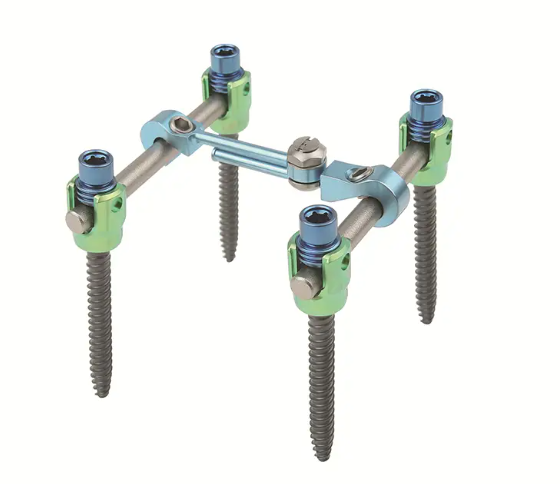
Spinal fixation surgery is a critical procedure for patients dealing with complex spinal conditions. The time it takes for such surgeries can vary depending on the severity of the spinal issue, the patient’s overall health, and the type of instrumentation used. They at WEGO Medical have developed the spinal fixation system known as the Premier™ Thoracolumbar Posterior Internal Fixation System, which is designed to improve surgical efficiency and provide reliable long-term stability. With over a decade of clinical experience, they have refined this system to address thoracolumbar degeneration, fractures, deformities, and tumors effectively.
Factors Influencing Surgery Time
The length of a spinal fixation procedure often depends on multiple factors including the number of vertebrae involved, the complexity of the deformity, and the precision required during screw placement. The Premier System Combination by WEGO Medical is engineered to simplify these challenges. The spinal fixation system offers low-notch screw design and optimized fixation depth, allowing surgeons to execute procedures more efficiently without compromising patient safety. As a result, surgical teams can anticipate more predictable operation times while maintaining high-quality outcomes.
Benefits of Advanced Fixation Systems
Using a modular spinal fixation system like the Premier™ allows for better intraoperative flexibility. They at WEGO Medical emphasize that their system supports thoracolumbar stabilization from T2 to S2 segments, accommodating a wide range of patient anatomies. This adaptability can reduce intraoperative adjustments and overall procedure time, which is beneficial for patient recovery and operating room management.
Conclusion
In conclusion, while the exact duration of spinal fixation surgery varies, employing a well-designed system such as WEGO Medical’s Premier System Combination can streamline the process. The modular spinal fixation system provides stability, efficiency, and safety, making it a valuable tool in thoracolumbar surgical interventions. Understanding these factors helps patients and medical teams set realistic expectations for operative time and postoperative recovery.
