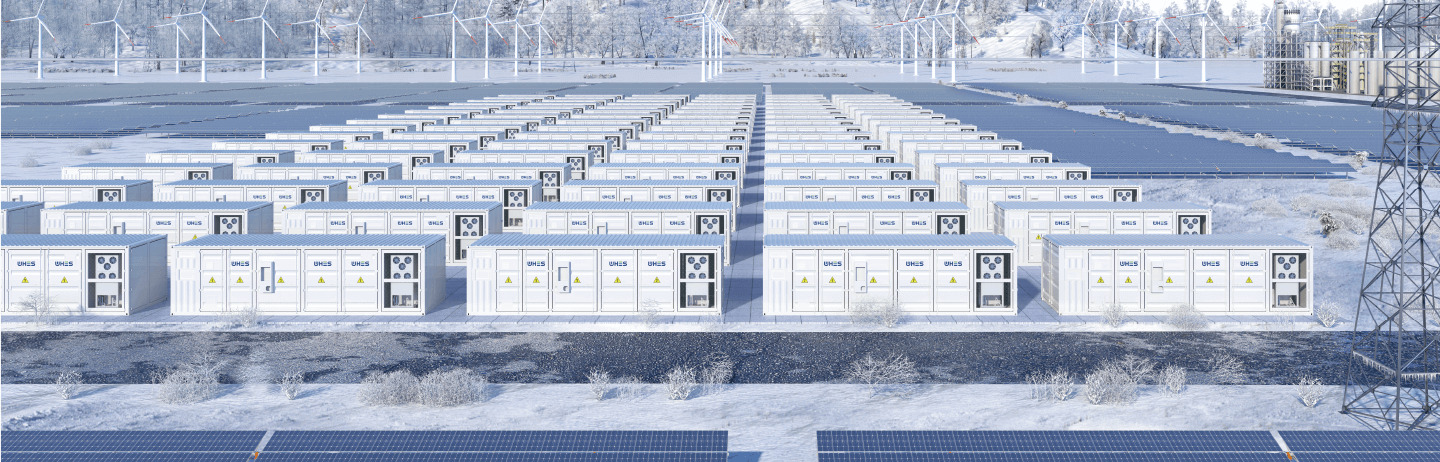
As renewable energy capacity continues to expand, curtailment has become a key challenge for utilities and project developers. When generation exceeds demand or grid capacity, excess electricity is often wasted. In this context, utility-scale battery storage provides a practical solution by capturing and redistributing surplus energy. WHES delivers advanced storage solutions designed to support large-scale renewable integration and improve overall grid efficiency.
Storing Surplus Energy for Later Use
One of the main advantages of grid-scale battery storage is its ability to store excess energy generated during peak production periods. Solar and wind farms frequently produce more electricity than the grid can absorb, especially during low-demand hours. With utility-scale battery storage, this surplus can be stored and discharged when demand increases, reducing energy waste and improving asset utilization. This approach allows renewable projects to maximize output without being constrained by immediate grid limitations.
Reducing Grid Congestion and Enhancing Stability
Curtailment is often linked to transmission constraints and grid congestion. Grid-scale battery storage helps alleviate these issues by absorbing excess energy near the source, easing pressure on transmission infrastructure. At the same time, utility-scale battery storage supports grid stability by balancing fluctuations in supply and demand. WHESintegrates intelligent control systems into its solutions, enabling fast response and precise energy management in complex grid environments.
Enabling Flexible and Dispatchable Renewable Power
Another key benefit is the ability of grid-scale battery storage to make renewable energy more flexible and dispatchable. Instead of relying on variable generation, stored energy can be released in a controlled manner, ensuring consistent power delivery. This reduces dependence on conventional backup generation and minimizes curtailment risks. By advancing utility-scale battery storage technologies, WHES supports more efficient renewable integration and helps energy stakeholders build a more resilient and sustainable power system.
