A profitable electric two-wheeler range rarely depends on a single type of customer. Daily commuters may value manageable charging routines, comfort, and predictable operating costs, while delivery riders often pay closer attention to durability, carrying requirements, and how much distance a vehicle can cover during a working shift.
A smart scooter supplier can help distributors assess different product options, but the final assortment should reflect local travel patterns, customer budgets, and service capabilities. LUYUAN, an established electric two-wheeler manufacturer, offers a starting point for businesses exploring how distinct vehicle configurations might serve different market segments.
Identify the Needs Behind Each Customer Segment
Commuters and delivery riders may travel along the same roads, yet their purchasing priorities can differ considerably. Office workers often make repeated short journeys, park in residential or commercial areas, and recharge according to their daily schedules. Delivery operators may accumulate more mileage, stop frequently, carry additional loads, and depend on their vehicles to generate income. Distributors who distinguish these usage patterns can build a product range around real operating needs rather than relying on broad labels such as urban or premium.
Range claims require particular care when a vehicle is marketed to both groups. A commuter might travel a relatively consistent route, whereas a delivery rider’s daily distance can vary with order volume, traffic, weather, and waiting time. Advertised range should be interpreted alongside test conditions, battery capacity, and expected energy consumption. A smart scooter supplier should provide configuration-specific information that allows dealers to explain these differences accurately and recommend a suitable vehicle for each use case.
Purchase price alone may not reflect the customer’s total cost of ownership. Electricity consumption, routine maintenance, tire replacement, insurance, downtime, and access to service facilities all influence the long-term expense of operating a scooter. Commercial riders may place particular importance on repair turnaround because a vehicle that remains unavailable can interrupt income. Dealers can make more useful recommendations by discussing daily mileage, charging access, load requirements, and maintenance expectations before comparing individual models.
Position Different Models Within the Product Mix
A balanced assortment gives customers clear reasons to consider each vehicle. An entry-level model may suit occasional trips and price-sensitive buyers, while a higher-performance option may appeal to riders who need greater speed or travel farther between charging opportunities. Delivery-oriented customers may also require practical storage arrangements and accessible replacement parts. Rather than stocking several vehicles with nearly identical specifications, distributors can assign each model a distinct purpose and avoid unnecessary overlap.
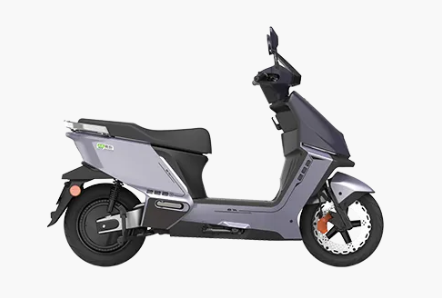
Product specifications help establish where a vehicle belongs, but they must be interpreted as a group. Motor power influences available output, battery capacity indicates stored energy, and maximum speed describes a different characteristic from range. Comfort, braking equipment, tire design, and suspension also affect suitability for different roads and journey lengths. The LUYUAN electric scooter S95 can be evaluated within this framework: published configurations have included a maximum speed of 80 km/h and a stated range of up to 150 km for a higher-specification version with a 72 V 45 Ah NCM battery.
Stock allocation should follow evidence rather than assumptions about which segment will grow fastest. Dealers can begin with a manageable assortment, record inquiries and conversion rates, and compare actual sales by model and customer type. If a higher-performance vehicle attracts interest but sells slowly, a smaller replenishment quantity may be more appropriate than expanding inventory immediately. This gradual approach gives distributors room to respond to market feedback without tying up excessive working capital.
Evaluate Supplier Support for Commercial Use
Product selection is only one part of serving commuters and delivery operators. A distributor also needs access to replacement parts, technical documentation, warranty procedures, and a reliable channel for resolving product questions. These resources become particularly important if vehicles are used intensively or sold to businesses operating several units. Before signing a supply agreement, dealers should establish which components are stocked, how service claims are processed, and whether technical training is available for local staff.
Delivery customers may ask more detailed questions about operating costs and maintenance intervals than occasional riders. Sales teams need accurate information on battery care, charging practices, tire inspections, braking-system maintenance, and the conditions that may affect performance. If a supplier provides clear manuals and configuration-specific documentation, staff can explain ownership requirements more consistently. Distributors comparing a smart scooter supplier should assess the quality of these resources alongside product specifications and commercial terms.
Partnership arrangements also influence how quickly a dealer can expand. Minimum order quantities, replenishment schedules, payment terms, and the availability of mixed-model orders all affect inventory planning. A supplier may offer a broad catalogue, but the practical value depends on whether the dealer can obtain the right configurations at manageable volumes. Written confirmation of production schedules and after-sales responsibilities helps reduce uncertainty as the business develops its customer base.
Conclusion
A commuter and delivery product mix works best when every vehicle has a clear role, its capabilities are communicated accurately, and the supplier can support customers after the sale. Dealers who track actual demand and account for operating costs can adjust stock with greater confidence instead of relying on assumptions about popular features.
As an established manufacturer, LUYUAN provides a potential starting point for distributors exploring electric mobility partnerships, while the LUYUAN electric scooter S95 represents one configuration to assess against local speed requirements, range expectations, and customer budgets. A thoughtful relationship with a smart scooter supplier can help a dealer develop a commercially sensible range that responds to everyday transportation needs as well as the demands of professional riders.
