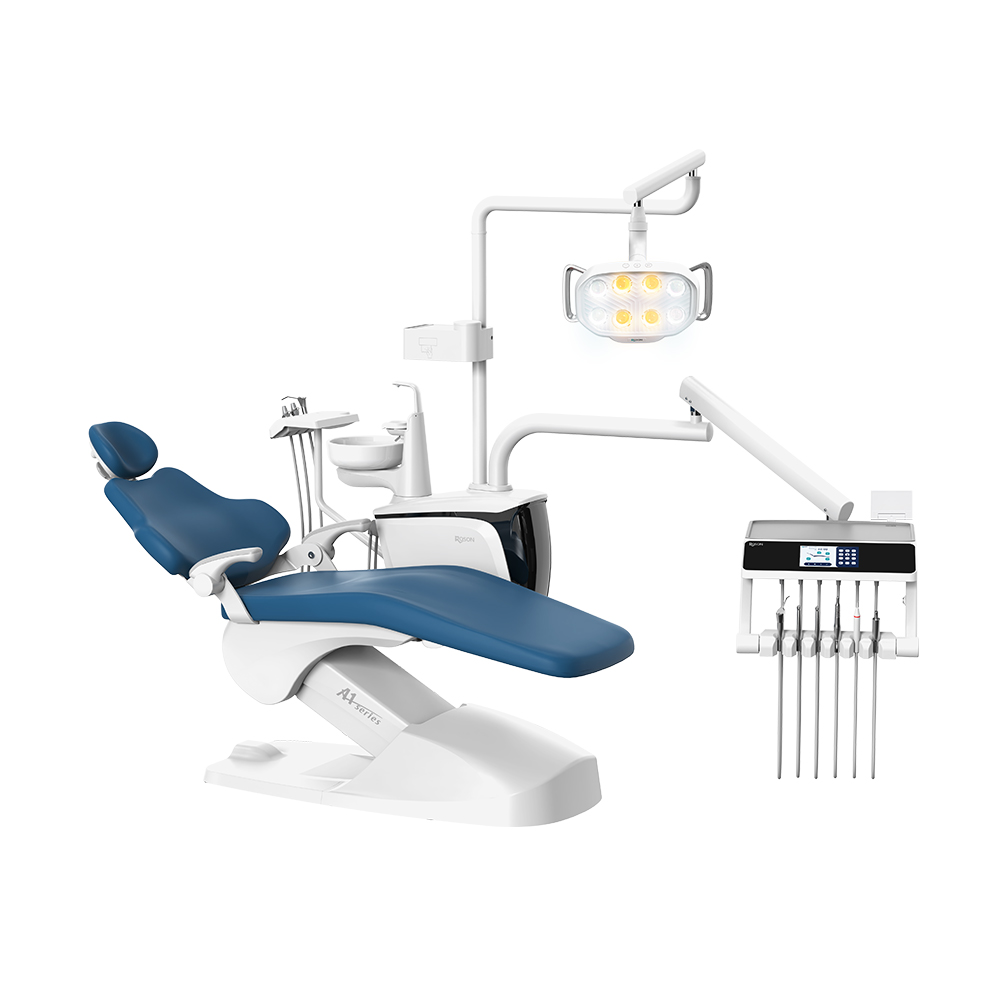
Throughout 2026, the medical hardware sector is witnessing significant technological refinements focused on operational reliability and patient comfort. Modern practices increasingly seek sophisticated operatory platforms capable of streamlining daily clinical workflows while delivering dependable mechanical performance across diverse treatment procedures.
Evaluating contemporary market developments allows healthcare managers to select equipment engineered for long-term operational consistency. Modern manufacturing processes emphasize integrated digital controls, durable structural materials, and quiet motor systems designed to support continuous daily clinical schedules without incurring unexpected mechanical disruptions.
Collaborating with an established dental chair supplier provides clinical facilities with access to hardware built around modern technical standards. Sourcing certified equipment helps ensure that internal fluid lines, electronic control units, and elevation mechanisms maintain stable, predictable performance across extended operational lifespans.
Digital Integration and Connected Operatory Infrastructure
A notable trend in 2026 involves the integration of smart monitoring features within clinical treatment setups. A modern dental chair often incorporates internal diagnostic sensors that track component usage, evaluate motor performance, and notify maintenance teams when routine servicing is recommended.
Centralized control interfaces enable attending clinicians to adjust position presets, water delivery volumes, and instrument speeds through intuitive touch panels. Synchronizing these control systems with practice management software creates an organized chairside environment, allowing clinical staff to maintain focus during complex dental procedures.
Integrated system diagnostics help reduce operational disruptions by identifying minor electrical or pneumatic variances before they lead to equipment downtime. Remote technical support capabilities allow qualified service engineers to assess software status efficiently, supporting consistent clinic schedules and smooth daily operations.
Manufacturers such as Roson contribute to this technological progression by incorporating clear digital interfaces and practical diagnostic tools into their product lines. These engineering choices assist medical facilities in maintaining organized, efficient, and technologically updated clinical treatment rooms.
Human Factors Engineering and Patient Ergonomics
Practitioner posture and patient relaxation remain central considerations in modern medical equipment development. Adjustable multi-axis headrests, supportive backrest contours, and smooth elevation controls assist clinicians in maintaining balanced working positions, helping to reduce physical strain during long treatment sessions.
Upholstery choices have also adapted to meet rigorous hygiene and comfort demands, with many units utilizing durable microfiber leather. These non-porous synthetic materials withstand repeated application of surface disinfectants while offering a soft, supportive surface for patients undergoing extended dental care.
Smooth elevation motors eliminate abrupt mechanical movements, fostering a calmer environment within the treatment room. Gradual adjustment transitions enable seamless positioning between examination, treatment, and patient entry modes, supporting overall clinic efficiency while prioritizing patient comfort throughout the appointment.
Working with a reliable dental chair supplier helps procurement teams identify equipment configurations that balance ergonomic support with durability. Offering adaptable positioning features and durable upholstery options allows clinics to enhance patient comfort while supporting the physical well-being of clinical personnel.
Advanced Hygiene Systems and Infection Control
Infection control protocols continue to drive design improvements across medical equipment manufacturing in 2026. Automated waterline purging systems regularly flush internal tubing networks, helping prevent biofilm accumulation and maintaining clean water delivery across all connected dynamic instruments.
Touchless sensor controls for operating lights and foot pedals reduce direct physical contact during active procedures, minimizing potential cross-contamination. Removable ceramic spittoons and smooth, joint-reduced surface designs allow clinical assistants to perform thorough sanitation protocols rapidly between scheduled patient appointments.
Integrated back-suction prevention valves protect internal utility lines against fluid backflow, helping preserve internal solenoid components. These protective hygiene features assist clinics in meeting strict regulatory safety guidelines while offering patients assurance regarding the facility’s commitment to clean, safe treatment conditions.
Equipment developers, including Roson, incorporate these essential sanitation features directly into their operatory designs. By offering automated flushing cycles and easy-to-clean materials, Roson supports clinical teams in maintaining high hygiene standards without disrupting busy daily appointment schedules.
Sustainable Manufacturing and Long-Term Value
Sustainable fabrication practices are increasingly emphasized across medical device manufacturing throughout 2026. Equipment producers are utilizing energy-efficient drive systems, recyclable structural alloys, and refined production methods that reduce environmental impact while maintaining necessary mechanical strength for daily clinical use.
High-value manufacturing focuses on balancing initial acquisition costs against long-term operational efficiency. Investing in a well-constructed dental chair helps lower the frequency of component replacements, ensuring that practice investments deliver dependable performance and continuous operational availability over time.
Establishing ongoing relationships with experienced equipment providers ensures reliable access to authentic replacement parts and technical documentation. Comprehensive warranty coverage and local distributor support enable service technicians to conduct accurate routine maintenance, helping extend the overall operational life of the equipment.
With years of specialized manufacturing experience, Roson provides a comprehensive selection of operatory equipment to healthcare facilities internationally. Offering practical dental chair configurations tailored for contemporary practice demands, Roson supports medical facilities in achieving reliable clinical workflows and sustained operational success.
