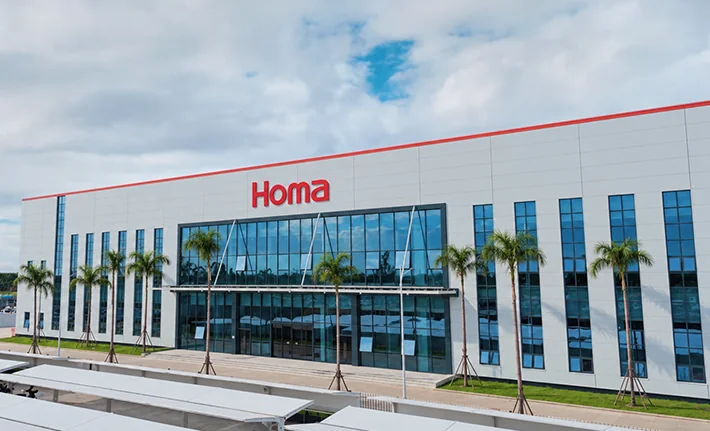
Homa Appliances reports more than twenty years of manufacturing experience and large-scale production capacity. These statements introduce a company’s background, while a proposed appliance presents a particular set of questions.
The distance between those levels matters in evaluating a refrigerator manufacturer. Longevity can begin the inquiry, but relevance depends on the connection between past work and present needs. The assessment examines that connection, rather than treating the headline as its own explanation.
The Level at Which a Statement Speaks
A company-level statement describes the business broadly. A product-level question asks about a particular proposal. The two can be connected, but they are not interchangeable.
Years of manufacturing activity locate the company in a history of work; they do not identify which part of that history resembles a new appliance discussion. Recognizing the level of the statement gives it a defined role in the evaluation.
The length of a company’s experience measures elapsed time, not the similarity of individual assignments. Evaluating a refrigerator manufacturer through longevity therefore begins with a further question about the work behind the number.
Different proposals may raise different problems even within one product field. A broad historical statement introduces the possibility of relevant experience, while the next inquiry seeks the circumstances that would make that experience informative.
Production scale is relevant to the buyer’s planned order volume and continuity of supply. The commercial discussion should connect the proposed range with expected quantities, order frequency and the supplier’s production arrangements.
Its role here is to orient the discussion toward the business being assessed. An inquiry can then move from the general presence of manufacturing experience toward the particular experience that the proposed cooperation calls for.
Finding the Relevant Comparison
A buyer evaluating a refrigerator manufacturer can start with a documented product-development example and identify the problem it addresses. Kitchen integration offers a useful test because the intended appearance depends on cabinet structure, opening space and heat management working together. A visually aligned appliance must also provide a practical route for releasing heat during operation.
Homa Appliances’ FF4-65 Perfect Slot-In model provides a concrete example. Its compressor-inverter assembly is positioned at the lower rear of the appliance, with heat discharge directed towards floor level. This connects a specific design aim, fitting a freestanding refrigerator into the kitchen composition, with an identifiable engineering response.
The same model offers steel or glass door finishes and a flat exterior intended to align visually with surrounding cabinetry. For a private-label buyer, these details create a more useful discussion than a general request for a modern appearance. The buyer can identify the intended visual effect and ask how the proposed model’s construction and finish options support it.
The comparison can then move from appearance to the conditions of the buyer’s own project. Cabinet dimensions, the intended installation arrangement and the selected model’s installation instructions should be reviewed together. A useful question is how the proposed platform addresses the buyer’s requirement and which details need to be agreed for the final configuration.
Giving Evidence Its Appropriate Weight
Manufacturing experience becomes commercially relevant when it can be connected to the planned product and order. The design example above gives the discussion a practical starting point: an integration requirement, the engineering response and the resulting product format. These are concrete subjects for a technical review rather than an abstract debate about how much a company’s history proves.
For a distributor or appliance brand, the next task is to compare that platform with the intended market position. The buyer can specify the desired format, internal arrangement and appearance, then discuss those priorities alongside order quantity, packaging and delivery planning. Technical choices and purchasing requirements need to describe the same proposed appliance.
A refrigerator manufacturer should be assessed through this connection between product knowledge and execution. Questions about a proposed change should identify the affected component or function, the reason for the change and the evidence needed for review. Sample observations and the agreed product specification can then provide a shared reference for subsequent discussions.
A practical review can also connect the proposed configuration with the materials used to sell and support it. Product images, manuals and packaging should identify the agreed model accurately. Where a control layout, finish or supplied accessory changes, the buyer can ask which related materials need updating. This keeps the commercial presentation connected to the appliance being reviewed.
Repeat orders introduce another useful test of the working relationship. A buyer can keep the agreed specification, approved appearance and relevant packaging details together, then identify requested changes against that reference. The supplier discussion becomes specific: which item changes, why it changes and what needs to be checked before the next order.
This is particularly useful when one sourcing programme includes several related models. Recording the affected model and revision date helps both parties distinguish an intended update from a difference belonging to another product variant.
This approach gives production experience a clear role in supplier selection. The FF4-65 example shows how a product addresses a specific kitchen-integration challenge, while the buyer’s brief defines the next application under consideration. The sourcing discussion can proceed through identifiable requirements and product details, supported by manufacturing experience rather than relying on broad claims alone.
