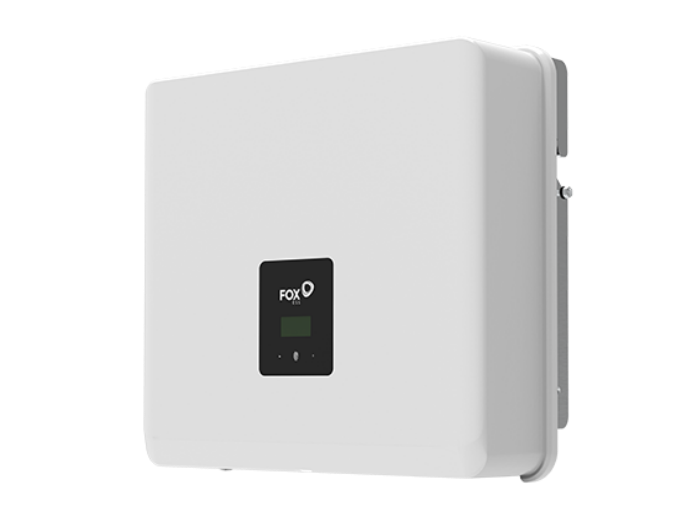
Working with a PV inverter supplier can provide advantages that extend beyond the inverter itself. For installers and distributors, these advantages can include easier product matching, stronger technical support, simpler commissioning, better visibility after installation, and greater supply continuity. The right supplier can therefore help reduce both the technical workload and the operational uncertainty involved in managing projects over time.
The real advantage of working with a capable PV inverter supplier therefore lies in what surrounds the hardware: product coverage, usable documentation, system visibility, and a manufacturing operation capable of supporting continued demand.
A Broader Product Range Makes Project Matching Easier
One advantage of working with a supplier that covers multiple system configurations is greater flexibility during product selection. Residential, small commercial, and larger commercial projects can have very different requirements for phase configuration, power capacity, installation environment, and system architecture. A broader product range allows installers to select equipment around the needs of the project rather than forcing different applications into the same inverter platform.
Fox ESS applies this approach across residential and commercial applications, with different inverter families covering different system configurations and power requirements. For installers and distributors, this type of portfolio can make it easier to stay with a familiar supplier while selecting equipment appropriate to each project.
For distributors, this flexibility can simplify sourcing across different market segments and reduce the need to manage separate supplier relationships for every system type. For installers, familiarity with one supplier’s product ecosystem can also reduce the learning curve when moving between different project sizes. The advantage is therefore not simply having more models available, but having more options within a supplier relationship that can support different project requirements.
Better Documentation Reduces Technical Uncertainty
Another advantage is access to technical information that can support decisions before, during, and after installation. Clear datasheets, manuals, wiring information, operating parameters, and commissioning guidance allow engineering and installation teams to verify requirements before equipment reaches the site. This can reduce avoidable clarification, preparation errors, and delays during commissioning.
Fox ESS provides technical documentation across its PV inverter portfolio, giving partners access to product information that can be used for selection, installation, commissioning, and troubleshooting. For installers and distributors, the practical advantage is easier access to the information needed to make technical decisions without relying on repeated clarification or informal assumptions.
When technical information is easy to find and apply, product selection and installation preparation become more systematic. This can save time for both engineering teams and installers, particularly when multiple projects are being handled at the same time.
Remote Monitoring Improves Post-Installation Service
Remote monitoring is another practical advantage because supplier-supported monitoring tools can extend visibility beyond the initial commissioning stage. When an issue occurs, service teams can review system information remotely before deciding whether a site visit is necessary. This can make troubleshooting more efficient and help installers manage a larger installed base without relying entirely on physical inspections.
Fox ESS supports remote monitoring through its digital platforms, allowing installers and service teams to review system operating information without being physically present at the site. The value of this capability lies in the service workflow it enables: teams can identify abnormal conditions, review available operating information, and determine whether further intervention is required.
For installers managing a growing installed base, this can reduce unnecessary site visits and make service resources easier to allocate. Remote visibility does not replace physical maintenance, but it can help teams distinguish between issues that can be investigated remotely and those that require on-site attention.
The value is not simply convenience. Better visibility can help service teams distinguish between configuration questions, operational abnormalities, and situations that warrant further investigation.
Manufacturing Capability Supports Supply Continuity
Manufacturing capability can also become an advantage when installers and distributors move from individual projects to sustained purchasing. Consistent production, quality control, traceability, and the ability to scale output all contribute to a supplier’s capacity to support ongoing demand. For channel partners, this can reduce uncertainty around future availability as the project pipeline grows.
This matters because supplier selection is often a long-term decision rather than a one-time purchase. A supplier with established manufacturing and quality-control processes can provide a more stable foundation for distributors and installers that expect to manage recurring projects, maintain inventory, or expand their business.
Fox ESS’s investment in manufacturing, automation, and product traceability provides an example of how production infrastructure can support a broader supplier relationship. For channel partners, the relevant consideration is not the factory itself, but whether the supplier has the operational capacity and quality processes needed to support continued demand.
What These Advantages Mean for Installers and Distributors
The advantages of working with a PV inverter manufacturer extend across the entire project lifecycle. A broader product range can make system matching easier, technical documentation can reduce engineering and commissioning uncertainty, remote monitoring can improve post-installation service, and reliable manufacturing can support continued supply as demand grows.
These benefits are connected rather than independent. Easier product matching can simplify project planning, better technical resources can support implementation, remote visibility can improve ongoing service, and stable production can make it easier to maintain the supplier relationship across multiple projects. Together, they can reduce the amount of coordination and uncertainty that installers and distributors need to manage themselves.
Choosing a Supplier for Long-Term Project Support
This makes the supplier relationship relevant beyond the initial inverter purchase. Fox ESS combines a broad PV inverter portfolio with technical documentation, remote monitoring, and established manufacturing capabilities, providing an example of how different supplier resources can support installers and distributors at different stages of a project.
For installers and distributors, the key question is consequently not simply whether a supplier can deliver an inverter. It is whether that supplier can make the entire journey—from product selection and engineering through commissioning, monitoring, and ongoing supply—more predictable.
