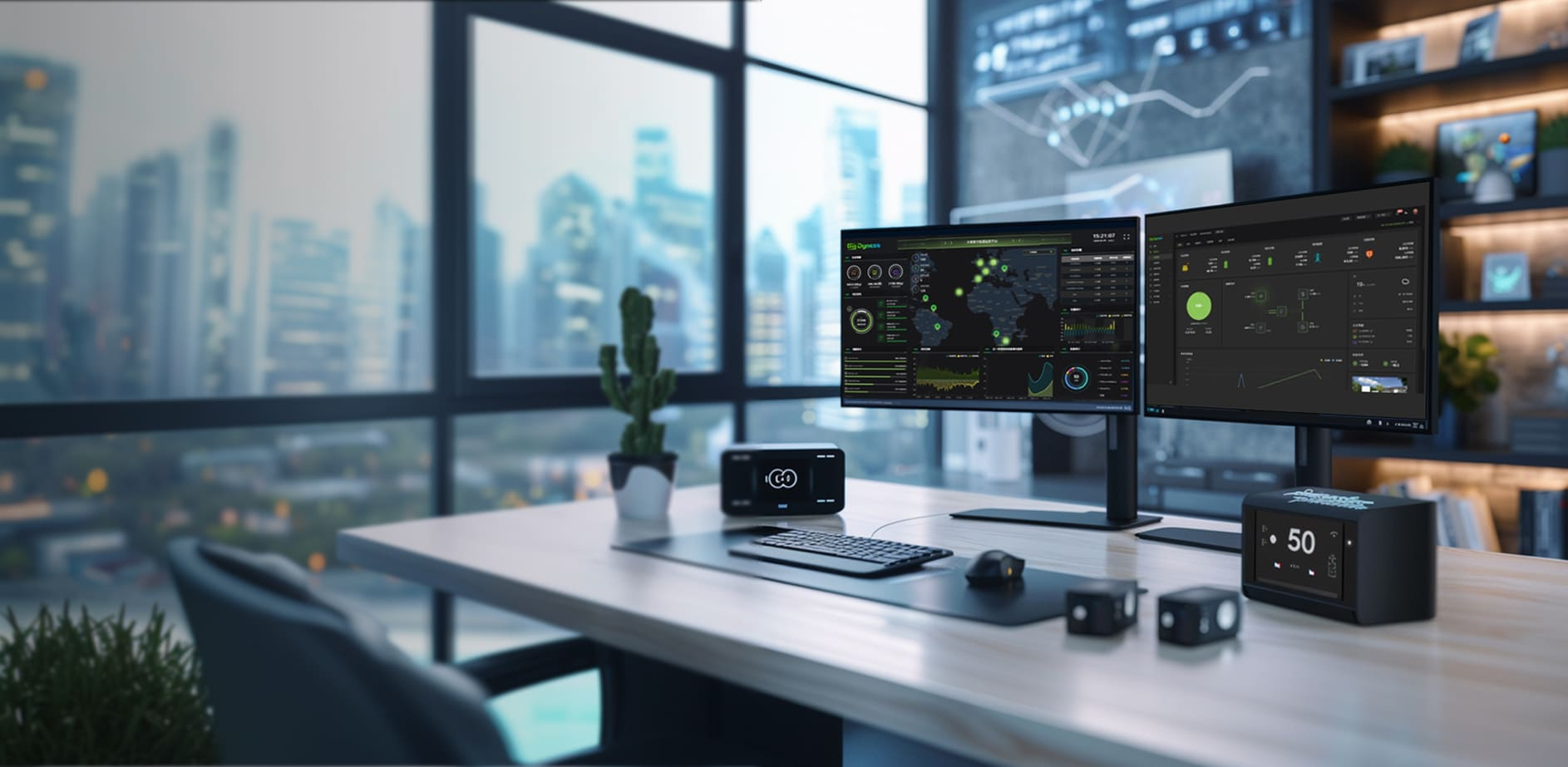
Modern clean power networks require highly adaptable equipment configurations to absorb unpredictable utility distribution strains and accelerate global decarbonization targets. By integrating a refined solution engineered by a battery energy storage system manufacturer, regional contractors can smooth fluctuating solar production, control peak tariffs, and cut costly energy waste.
Securing durable grid independence calls for a careful review of factory automation standards, electrochemical cell lifecycle trends, and multi-tier safety protocols. Choosing the right stationary hardware determines how smoothly a decentralized microgrid performs under continuous daily cycling across multi-decade service lives.
Evolving Pressures in Global Decentralized Infrastructure
Modern electricity networks face growing operational pressures as vehicle electrification, smart computing hubs, and heavy automated industries expand rapidly worldwide. Traditional grid-tied solar or wind farms without integrated battery storage inevitably curtail significant volumes of power due to regional line limits. Installing stationary battery storage systems counteracts these transmission constraints by serving as highly responsive local electricity reserves.
Choosing a qualified partner from solar battery storage manufacturers minimizes engineering risks for project developers during initial infrastructure planning. High-quality production lines use strict manufacturing controls to support exceptional cell consistency and long-term chassis durability. Establishing a relationship with a verified manufacturing entity protects downstream installation networks from equipment shortages.
Factory Hardware Sourcing: Key Evaluation Criteria
Procurement managers evaluate manufacturing organizations based on their ability to handle bulk production runs while maintaining precise technical consistency. International destination markets demand specialized compliance pathways, requiring factory assemblies to carry updated regional certifications before customs clearance. Ethical mineral tracking and clear component sourcing paths have become baseline expectations for contemporary energy infrastructure procurement.
Technical competence is measured by a factory’s capability to deliver consistent cell balancing and durable chassis construction. Stable production supply lines protect regional system integrators from sudden component shortages and component delivery lags. Evaluating these baseline metrics remains critical for ensuring successful regional energy storage deployments.
Reducing Lifetime Costs Through Modular Serviceability
Long-term profitability for installers depends on how easily a system can be serviced after commissioning. A sealed, monolithic battery unit may seem simple at first, but a single fault can require replacing the entire unit. Modular architectures change that equation. Dyness designs its storage systems so that individual battery modules can be swapped independently. If one module underperforms, technicians can replace it without touching the rest of the array.
This approach extends the usable life of the overall system and reduces spare parts inventory. The lithium iron phosphate chemistry used in these modules also supports thousands of charge and discharge cycles, which means fewer replacement events over the system’s service life. Combined with remote diagnostics, modular serviceability allows installers to offer maintenance contracts with predictable costs. Property owners benefit from lower downtime, while installers build recurring revenue streams instead of one-time sales.
Integrating Safety at the Cell, Module, and System Levels
Safety is not a single feature but a layered design philosophy. Installers need to know that the equipment they mount near living spaces or commercial operations will behave predictably under abnormal conditions. Dyness builds protection into every level. At the cell level, lithium iron phosphate chemistry offers high thermal stability. At the module level, independent monitoring circuits track temperature, voltage, and current in real time.
At the system level, automated isolation can disconnect a faulted section before it affects the broader array. These layers work together without requiring complex external hardware. For installers, this means fewer add-on safety devices and simpler wiring. For end users, it means quieter operation and greater peace of mind. The compact enclosure designs also maintain necessary clearances and ventilation, so safety does not come at the expense of installation density.
Using Digital Platforms to Simplify Commissioning and Maintenance
Digital tools have become essential for modern installers. The Dyness App allows technicians to verify system settings before arrival, complete over-the-air firmware updates, and monitor energy flows in real time. During commissioning, the app guides users through parameter checks and communication tests, reducing the need for specialized laptop software. After handover, property owners can view performance data, while installers retain remote access for troubleshooting.
Alarm notifications are pushed directly to the app, so issues can be assessed without an immediate site visit. This remote capability is especially valuable for installers managing multiple sites across a region. It cuts travel time, reduces callbacks, and improves first-time fix rates. The same platform supports long-term compatibility with evolving grid standards through software updates, protecting the installation from premature obsolescence.
Minimizing Integration Risk with Broad Inverter Compatibility
One of the most common causes of project delays is inverter communication mismatch. When a battery system cannot exchange data smoothly with the site’s existing solar inverter, installers must spend extra hours on protocol troubleshooting. Dyness designs its storage solutions to work with major international inverter brands out of the box. The communication interfaces support common protocols, and the systems are tested for stable data exchange.
This broad compatibility means installers can specify Dyness batteries alongside inverters that are already trusted in their market. There is no need for custom gateways or additional communication modules. The result is faster commissioning, fewer error codes, and more predictable system performance. For installers who work across multiple brands and regions, this interoperability reduces training burden and inventory complexity.
Conclusion
When evaluating solar storage brands in 2026, installers should look beyond headline capacity and price. The most valuable platforms are those that simplify field work, reduce long-term service costs, embed safety at every level, provide useful digital tools, and integrate smoothly with existing inverters. Dyness delivers on these practical criteria across its residential and commercial portfolios.
By choosing hardware that supports flexible mounting, modular serviceability, layered safety, remote diagnostics, and broad inverter compatibility, installers can protect their margins, satisfy their customers, and build a reputation for reliable deployments. The right brand is not just the one with the best specifications on paper—it is the one that makes every installation smoother from day one.
