Digital dentistry has changed how clinicians diagnose, plan, and manage complex treatments. Traditional methods such as impressions, bite registrations, and clinical examinations remain important, but advanced digital technologies provide additional information about how the oral system functions.
Among these technologies, jaw motion tracking has become an important tool for evaluating mandibular movement patterns. By recording jaw movements during functional activities, these systems help dentists understand the relationship between static occlusion and dynamic function.
However, like any digital technology, jaw movement systems also have limitations. Understanding these challenges helps dental professionals use the technology more effectively and combine it with other diagnostic methods for better treatment outcomes.
Understanding the Main Functions of Jaw Motion Tracking Systems
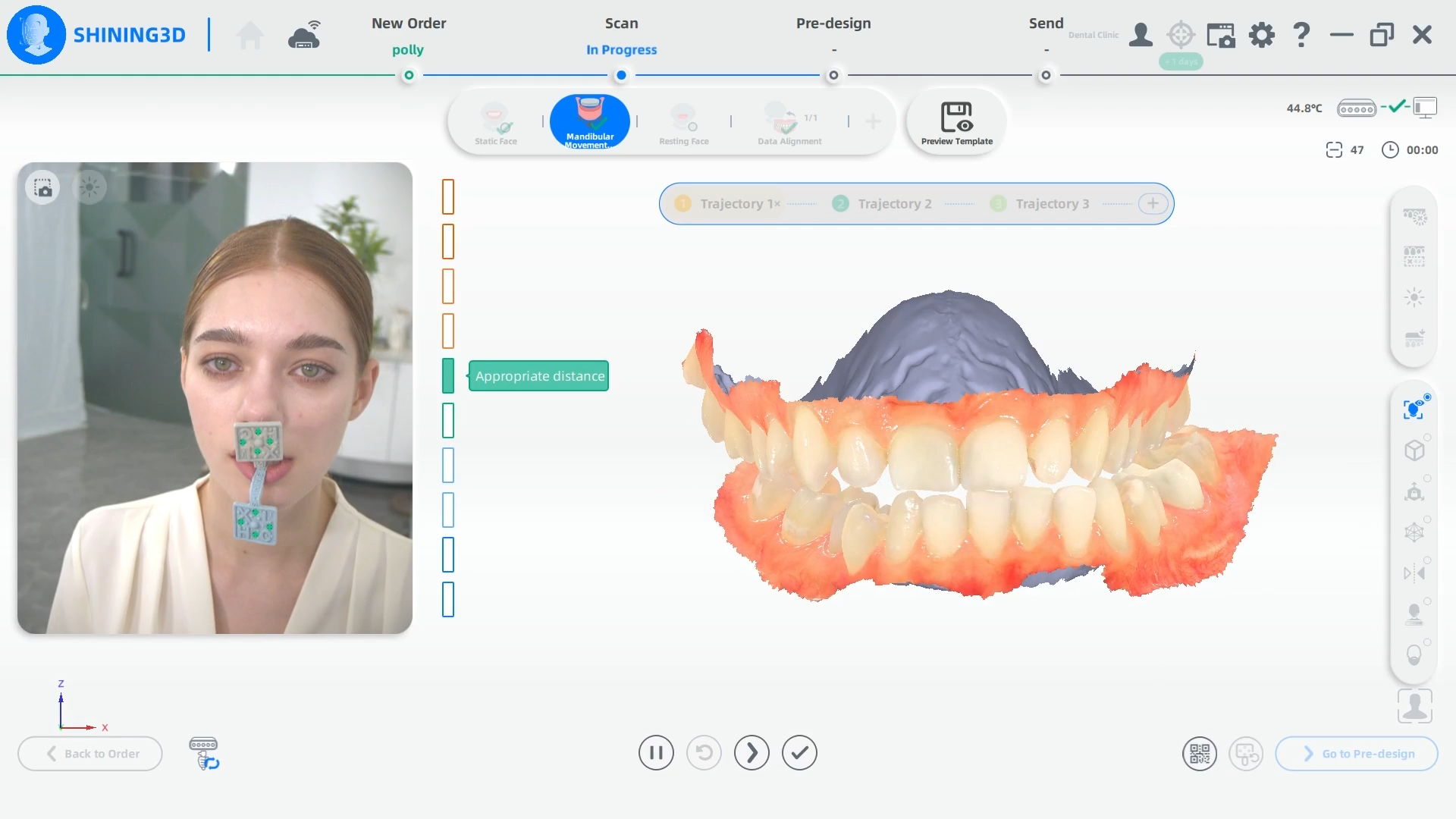
Jaw motion tracking systems are designed to record and analyze mandibular movements, including opening, closing, protrusion, and lateral movements. These measurements provide information about how the jaw moves in relation to teeth, muscles, and temporomandibular joints.
Compared with traditional examinations that mainly evaluate a fixed bite position, movement tracking provides dynamic information that can support more detailed clinical analysis.
A digital jaw relation record is often used together with movement analysis. It captures the spatial relationship between the upper and lower jaws and provides an important reference for understanding occlusion.
When combined, a jaw relation record and movement data can provide a more complete view of the patient’s oral condition. However, clinicians should also recognize that these systems do not replace clinical experience, diagnosis, or other imaging technologies.
Limitations of Jaw Motion Tracking Systems in Dental Applications
One of the main limitations of jaw motion tracking systems is that they focus primarily on movement data. Although they can accurately record mandibular pathways, they cannot independently explain the cause of abnormal movement patterns.
For example, irregular jaw movement may be related to muscle activity, joint conditions, tooth interference, or other oral factors. Movement data can help identify differences, but additional clinical evaluation is still necessary to determine the underlying cause.
A complete diagnosis often requires combining movement information with patient history, clinical examination, imaging, and occlusal analysis.
Another challenge is that accurate results depend heavily on proper data collection. The patient’s movement behavior, cooperation, and the clinician’s operating technique can influence the quality of recorded information.
Although digital systems are designed to improve measurement accuracy, incorrect positioning, insufficient calibration, or inconsistent patient instructions may affect the final analysis.
A reliable jaw relation record also requires careful acquisition. If the initial jaw relationship data is inaccurate, subsequent digital analysis may not fully represent the patient’s actual condition.
Challenges in Clinical Interpretation and Workflow Integration
The interpretation of movement data requires professional knowledge and experience. A jaw motion system can provide detailed measurements, but dentists must understand how these results relate to clinical conditions.
Unlike simple measurements that produce a clear numerical result, movement analysis often requires evaluating patterns and comparing multiple sources of information.
For this reason, jaw motion tracking should be considered a supporting diagnostic tool rather than a standalone solution. Clinicians need to combine digital findings with their understanding of anatomy, occlusion, and treatment objectives.
Another limitation is workflow integration. Dental clinics may already use multiple digital systems, including intraoral scanners, CAD software, and imaging equipment. Ensuring that different systems communicate effectively can be challenging.
A digital jaw relation record needs to be accurately integrated with other patient data to create a complete workflow. Compatibility between different platforms and software solutions can influence efficiency and usability.
Limitations Related to Cost and Training Requirements
Advanced digital technologies require investment in equipment, software, and professional training. For some dental practices, the initial cost of adopting a jaw movement system may be a consideration.
Beyond purchasing equipment, clinicians and staff need time to become familiar with data acquisition procedures and analysis methods. Effective use of jaw motion tracking depends not only on the technology itself but also on the ability of dental professionals to interpret and apply the information correctly.
Training is particularly important when using movement data for complex cases such as implant restorations, full-mouth rehabilitation, or interdisciplinary treatment planning. Without sufficient knowledge, the additional information provided by these systems may not deliver its full clinical value.
SHINING 3D DENTAL e-Motion: Addressing Digital Workflow Challenges
SHINING 3D DENTAL develops digital dentistry solutions that support more efficient diagnosis and treatment planning. The e-Motion Workstation integrates jaw movement analysis, intraoral scanning, and facial data acquisition into a unified digital workflow. The system supports digital jaw relation record acquisition and jaw motion tracking, allowing clinicians to collect both static and dynamic patient information.
By combining multiple data sources, e-Motion helps dental professionals create a more complete digital patient model. This integrated approach supports applications such as implant planning, restorative dentistry, orthodontics, and comprehensive rehabilitation.
While digital systems provide valuable functional information, their effectiveness still depends on proper clinical application. SHINING 3D DENTAL’s solution is designed to support professional decision-making rather than replace clinical expertise.
How Dentists Can Maximize the Value of Jaw Motion Tracking
To achieve the best results, dentists should use movement analysis as part of a broader diagnostic workflow. Combining jaw motion tracking with clinical examination, imaging, and accurate digital records can provide more reliable treatment information.
A detailed jaw relation record should be collected carefully and evaluated together with movement data. This allows clinicians to understand both the structural relationship between jaws and how they function during movement.
Clear treatment goals are also important. Before using a movement analysis system, dentists should determine what information is needed and how it will influence clinical decisions. By applying the technology appropriately, dental professionals can gain meaningful insights while avoiding overreliance on a single data source.
The Future Development of Jaw Motion Analysis in Dentistry
Despite its limitations, jaw motion tracking continues to provide valuable support for modern dental workflows. As digital technologies improve, these systems are expected to become easier to integrate, more efficient, and more accessible for clinical applications.
A digital jaw relation record combined with dynamic movement analysis provides dentists with a more comprehensive understanding of oral function. However, successful application requires accurate data collection, professional interpretation, and integration with other diagnostic methods.
With solutions such as SHINING 3D DENTAL e-Motion, dental professionals can incorporate functional analysis into digital treatment planning while maintaining the essential role of clinical expertise. As dentistry continues to move toward personalized care, understanding both the advantages and limitations of jaw movement systems will help clinicians achieve more predictable treatment outcomes.
