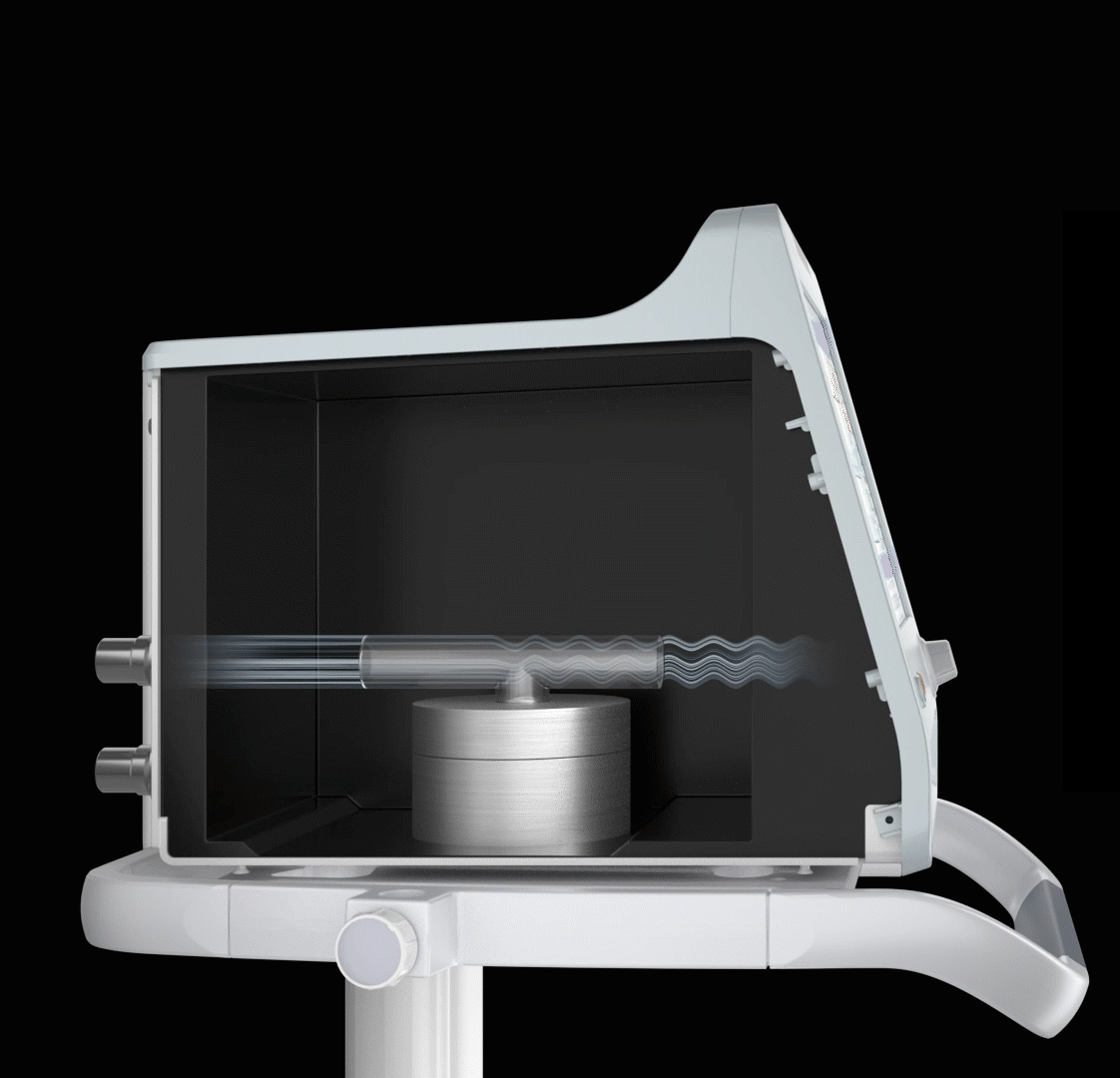
Respiratory physiology in neonates presents unique challenges that necessitate a distinct approach from adult critical care. COMEN have developed the NV10 to address these specific needs, focusing on high-frequency oscillation and non-invasive support tailored for tiny, developing lungs. An infant ventilator must operate with much lower tidal volumes and higher respiratory rates than those used for adults to avoid pulmonary injury. By providing specialized modes such as nasal CPAP and biphasic support, COMEN ensures that newborn mechanical ventilation remains gentle yet effective in maintaining optimal gas exchange for the most vulnerable patients.
Anatomical and Physiological Considerations
Neonate lungs are highly compliant but possess much smaller functional residual capacities, making them prone to collapse or over-distension. Every infant ventilator must feature ultra-sensitive triggers to synchronize with the rapid, shallow breathing patterns of a baby. Unlike adult systems, newborn mechanical ventilation frequently utilizes pressure-controlled modes to limit the risk of barotrauma. Precise flow sensors are incorporated into the hardware to detect even the slightest inspiratory effort, ensuring that the machine supports the infant’s natural rhythm without causing secondary trauma to delicate alveolar structures.
Specialized Modes for Lung Protection
Protecting the brain and lungs of a premature infant requires sophisticated air delivery methods that differ from standard adult protocols. The NV10 includes a high-frequency oscillatory mode, which delivers tiny volumes of air at extremely high speeds to keep the lungs open at a constant pressure. This specific feature of an infant ventilator is rarely used in routine adult care but is critical in treating neonatal respiratory distress syndrome. During newborn mechanical ventilation, oxygen concentrations must also be regulated with extreme precision to prevent conditions like retinopathy of prematurity, a level of control that they provide through integrated electronic blenders.
Integrated Monitoring and Non-Invasive Support
Minimizing the use of invasive tubes is a primary goal in modern neonatal units to reduce the risk of infection and chronic lung disease. They design their infant ventilator systems to offer a broad range of non-invasive interfaces, such as specialized nasal prongs and masks that fit the unique contours of a newborn’s face. Throughout the process of newborn mechanical ventilation, real-time monitoring of oxygen saturation and carbon dioxide levels is vital. Their systems integrate these monitoring tools directly into the user interface, allowing clinicians to make immediate adjustments to pressure and flow settings based on the infant’s immediate physiological feedback.
Technical differences in neonatal respiratory support center on the need for extreme precision, sensitivity, and lung-protective strategies. By focusing on the fragility of developing tissues, they provide tools that bridge the gap between mechanical assistance and biological requirements. These specialized systems ensure that the transition to independent breathing is handled with the highest degree of safety. Through these advancements, medical teams can provide targeted care that respects the unique physiological boundaries of the neonatal population.
