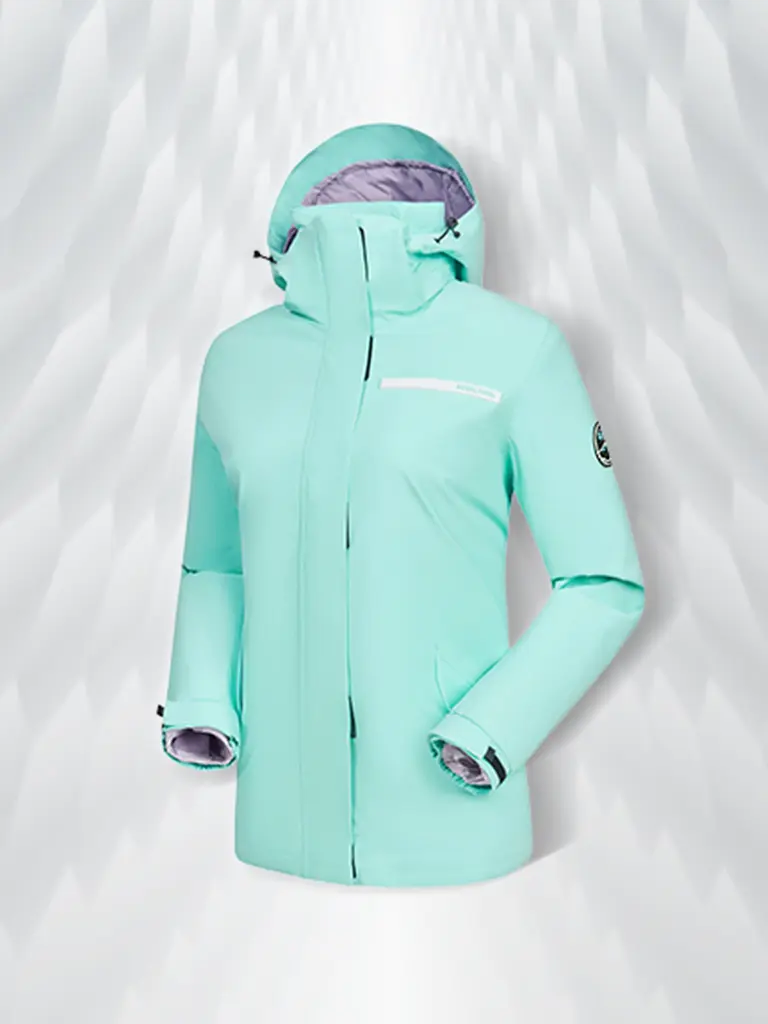
A brisk walk, a crowded train, and a pause on a chilly street can place very different demands on the same outfit. During stop-and-go activities, the body alternates between producing excess heat and needing protection from the cold. Suitable thermal clothing material must respond to these shifts without making the wearer feel overheated during movement or chilled during rest.
This balance is particularly relevant to Y-Warm and other apparel insulation technology developers, as garment performance depends on how insulation, moisture control, and ventilation work together.
Why Stop-and-Go Movement Creates Heat Management Challenges
Physical activity increases metabolic heat production, while periods of rest reduce it. Clothing that feels comfortable during a steady walk may become too warm after climbing stairs or carrying heavy bags. Once movement stops, sweat left inside the garment can make the wearer feel cold, especially in windy conditions.
The challenge is not simply to retain as much heat as possible. Excessive insulation can slow heat release during active periods, while insufficient protection may allow body heat to escape too quickly during breaks. Garment designers need to consider the full activity cycle rather than relying on a single temperature rating.
Different parts of the body also respond differently to exertion. The back and underarms may accumulate sweat during movement, whereas the chest and upper body may need more protection during stationary periods. A suitable thermal clothing material should fit into a clothing system that accommodates these changing needs.
How Insulation and Moisture Control Work Together
Insulation slows heat transfer by trapping relatively still air within or around its structure. Its effectiveness depends on factors such as thickness, density, internal architecture, and how much the material is compressed inside the garment. More insulation can provide greater warmth in some situations, but excessive bulk may make temperature regulation difficult during active use.
Moisture management is equally important. Sweat that remains near the skin can create a damp sensation and increase heat loss after exercise. A breathable base layer helps move moisture away from the body, while suitable mid-layers and outer fabrics allow water vapor to escape. The combined performance of these layers often matters more than the insulation component alone.
Air permeability and water-vapor transmission should not be confused. Air permeability describes how easily air passes through a fabric, while water-vapor transmission concerns moisture moving through the material in vapor form. A garment may restrict wind effectively yet still allow some moisture vapor to escape, depending on its construction. This distinction helps developers assess whether a thermal clothing material suits activities involving frequent changes in exertion.
Garment Design Strategies for Fluctuating Activity Levels
Layering gives wearers more control over changing conditions. A moisture-managing base layer, a moderately insulated middle layer, and an outer shell with suitable wind protection can serve different functions without requiring one garment to handle every environmental change. Adjustable openings and removable layers add further flexibility.
Ventilation details can also make a noticeable difference. Underarm zippers, adjustable cuffs, front openings, and strategically placed panels allow excess heat to escape during movement. Their effectiveness depends on placement and ease of adjustment; openings that are difficult to reach may be less useful during everyday activities.
Insulation distribution deserves careful consideration as well. A garment may use more protection across the torso while reducing bulk around areas that generate heat or require greater mobility. Such zoning can help manage comfort, but transitions between insulated and less-insulated sections need thoughtful construction to avoid cold spots. The design should reflect the wearer’s actual movement patterns rather than applying the same insulation level everywhere.
Evaluating Materials for Everyday Performance
Laboratory measurements provide a starting point for comparing insulation options. Thermal resistance, material weight, thickness, air permeability, and moisture-vapor transmission each describe a different aspect of performance. No single measurement can predict how comfortable a garment will feel during an entire day of changing activity.
Wear testing should include both movement and rest. Walking, climbing stairs, commuting, and standing outdoors can reveal whether heat builds up in particular areas or whether the garment feels cold after perspiration accumulates. Testing across different temperatures and humidity levels can also show how environmental conditions affect the results.
For material developers, consistency between samples and production batches is another practical consideration. An experienced thermal insulation materials manufacturer should be able to provide relevant technical information about material properties and support evaluation of how the insulation performs in the intended garment construction. Designers can then compare options against specific use requirements instead of relying on broad descriptions such as lightweight or warm.
Conclusion
Comfort during intermittent activity depends on how effectively clothing adapts to changes in body heat, perspiration, and outdoor exposure. Insulation, ventilation, layering, and material construction all contribute to that experience, making a whole-garment assessment more useful than judging warmth in isolation.
Y-Warm develops thermal insulation technology for apparel applications, while a capable thermal insulation materials manufacturer can help clothing brands assess material characteristics for their intended uses. Brands developing functional clothing can learn more about Y-Warm’s insulation solutions and consider how they may fit into future garment designs.
