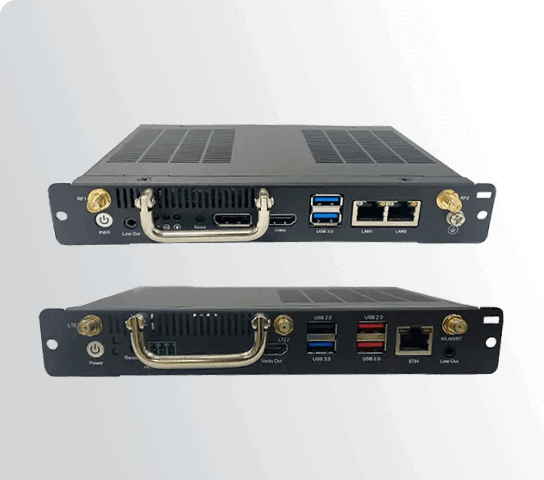
A computer used inside an office and a computer installed next to industrial equipment may perform similar basic tasks, but their design goals are fundamentally different. A standard computing platform is optimized for general-purpose use, while a rugged embedded PC is created to operate as part of an industrial system.
This distinction becomes critical as factories, transportation systems, and intelligent devices require continuous operation, real-time processing, and direct interaction with machines.
An Industrial Embedded Computer is not defined only by its processor or form factor. Its difference comes from how the entire system is engineered to handle industrial conditions, including mechanical stress, connectivity requirements, thermal limitations, and long deployment cycles.
A Standard PC and a Rugged Embedded PC Solve Different Problems
The biggest difference between standard computers and rugged embedded PCs is the problem they are designed to solve.
A commercial PC is generally built around user productivity. It assumes predictable conditions, scheduled upgrades, and relatively easy access for maintenance or replacement.
Industrial systems operate under different priorities. A machine controller, inspection station, or automation gateway may need to run continuously for years while remaining connected to sensors, controllers, cameras, and production networks.
For these applications, computing hardware becomes part of the equipment itself. Replacing a computer is no longer a simple upgrade decision because hardware changes can affect machine certification, software compatibility, and production workflows.
An industrial embedded pc is therefore designed around stability and integration rather than frequent hardware replacement. Its value comes from becoming a dependable component within a larger industrial process.
The Difference Becomes Visible Outside Controlled Environments
The gap between rugged and standard computing platforms becomes obvious when computers are exposed to real operating conditions.
Industrial locations often involve vibration from machinery, temperature changes, dust exposure, electromagnetic interference, and limited maintenance access. A conventional computer may function initially, but long-term reliability can become difficult under these conditions.
Cooling design is one example. Standard desktop computers commonly depend on fans and airflow-based cooling. In industrial environments, moving components can introduce additional failure points, while dust accumulation can reduce reliability.
Rugged embedded PCs often use designs that reduce these risks, including fanless thermal solutions and industrial-grade mechanical structures. These choices allow systems to operate closer to machines and inside compact equipment spaces.
Tailored for demanding industrial settings, Vantron delivers rugged embedded computing platforms designed to power automation, edge computing, and connected equipment.
The difference is not always visible from the outside. The major distinction lies in the engineering decisions made to ensure consistent operation over time.
Rugged Embedded PCs Are Designed Around Industrial Constraints
Industrial computing requires solving several limitations simultaneously. Engineers must balance processing capability, power consumption, physical size, communication options, and environmental reliability.
A rugged embedded platform is designed with these constraints from the beginning. Instead of adapting office hardware, manufacturers create systems specifically for industrial integration.
Interface availability is one important difference. Industrial equipment often requires connections such as serial ports, Ethernet, CAN, GPIO, or other communication interfaces that are uncommon in consumer computers.
Mechanical integration is another factor. Industrial systems may need compact dimensions, flexible mounting options, or enclosure designs suitable for equipment installation.
Processing requirements are also changing. Modern factories increasingly use local data analysis, machine vision, and AI-based monitoring. Rugged computers must provide enough computing capability while maintaining reliable operation in locations where space and cooling resources are limited.
Vantron offers industrial computing solutions based on different processor platforms, including Intel, ARM-based architectures, and edge-oriented designs for industrial applications.
These differences show that rugged computing is not simply about making a PC stronger. It is about designing a complete computing system around industrial requirements.
Industrial Hardware Must Become Part of the Machine Lifecycle
A major difference between consumer and industrial computing is expected service life.
A consumer computer may be replaced every few years as new models become available. Industrial equipment often follows much longer production cycles. A factory machine or automation system may remain operational for many years, making hardware consistency extremely important.
For equipment manufacturers, changing computing platforms can create significant engineering work. Software validation, mechanical redesign, and system testing may all be required.
This is why industrial customers often evaluate suppliers based on more than technical specifications. They consider platform availability, customization capability, technical support, and the ability to maintain product continuity.
A rugged embedded PC must support the lifecycle of the machine it controls. The computer becomes part of the product architecture rather than a replaceable accessory.
Rugged Computing Supports the Next Generation of Edge Systems
Industrial systems are becoming more distributed. Instead of sending all operational information to centralized servers, companies are deploying computing resources directly at production sites and field locations.
This development increases the importance of rugged computing platforms. Edge devices must process information locally while maintaining reliable communication with enterprise systems.
Applications such as smart manufacturing, industrial gateways, autonomous equipment, and AI inspection systems require computers that can operate continuously near the source of data.
Rugged embedded PCs provide the foundation for these systems because they combine industrial reliability with modern computing capabilities.
The difference between rugged embedded PCs and standard computing platforms ultimately comes down to purpose. Standard computers are designed for general environments, while rugged systems are engineered for integration into demanding industrial operations.
For companies developing automation equipment, smart devices, and edge-based solutions, choosing the right computing platform is not only a hardware decision. It is a decision about long-term system reliability, maintainability, and operational performance.
